What is the difference between the three structures?
A nesting chair allows compatible chairs to fit together side by side, a stacking chair stores compatible chairs vertically, and a folding chair changes shape before storage. These terms describe storage methods, not equivalent dimensions or capacities. A chair may support more than one method, but only use the arrangements confirmed for the selected model. Begin with the route from the room to its storage area.
When should you consider nesting chairs?
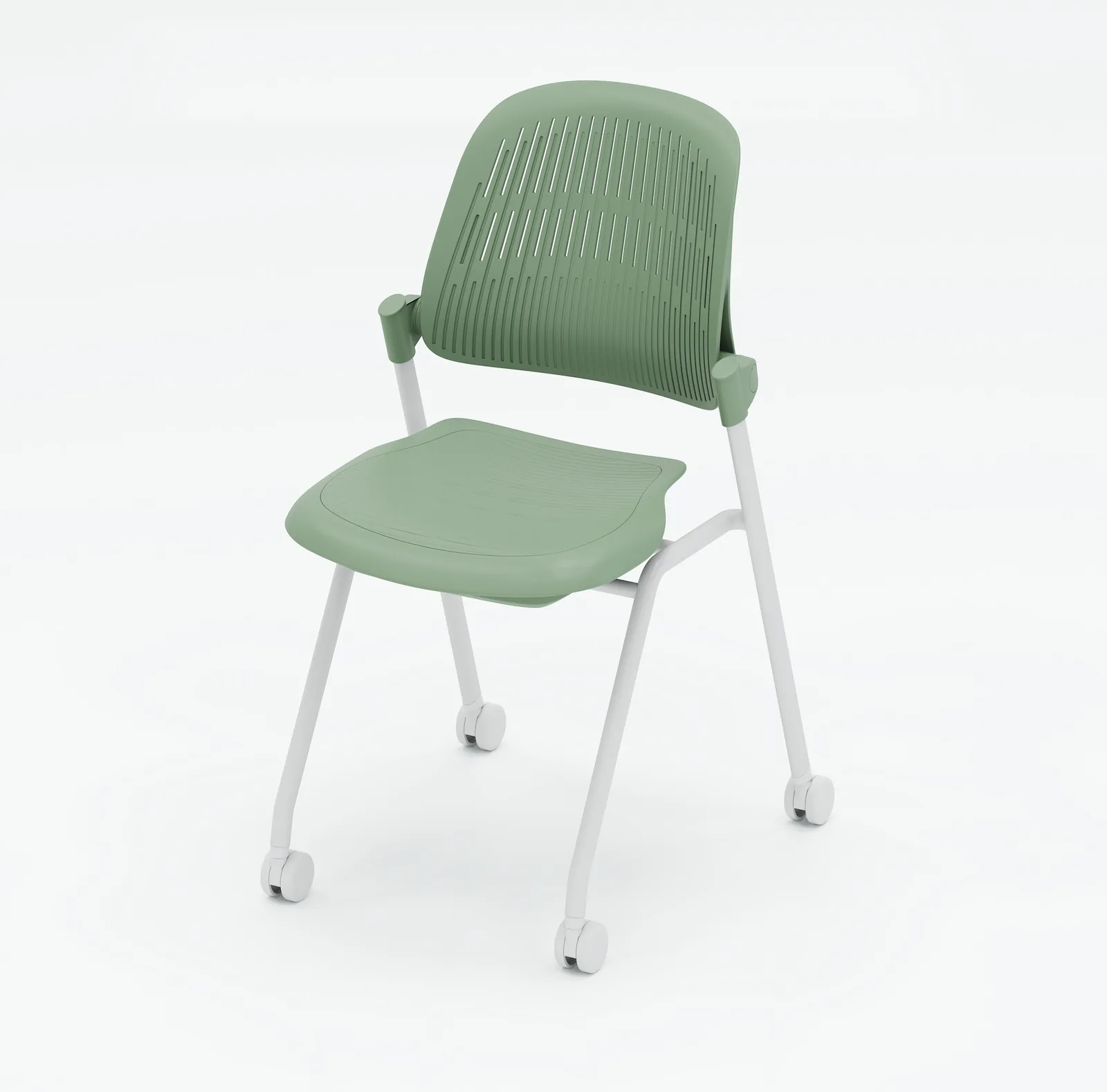
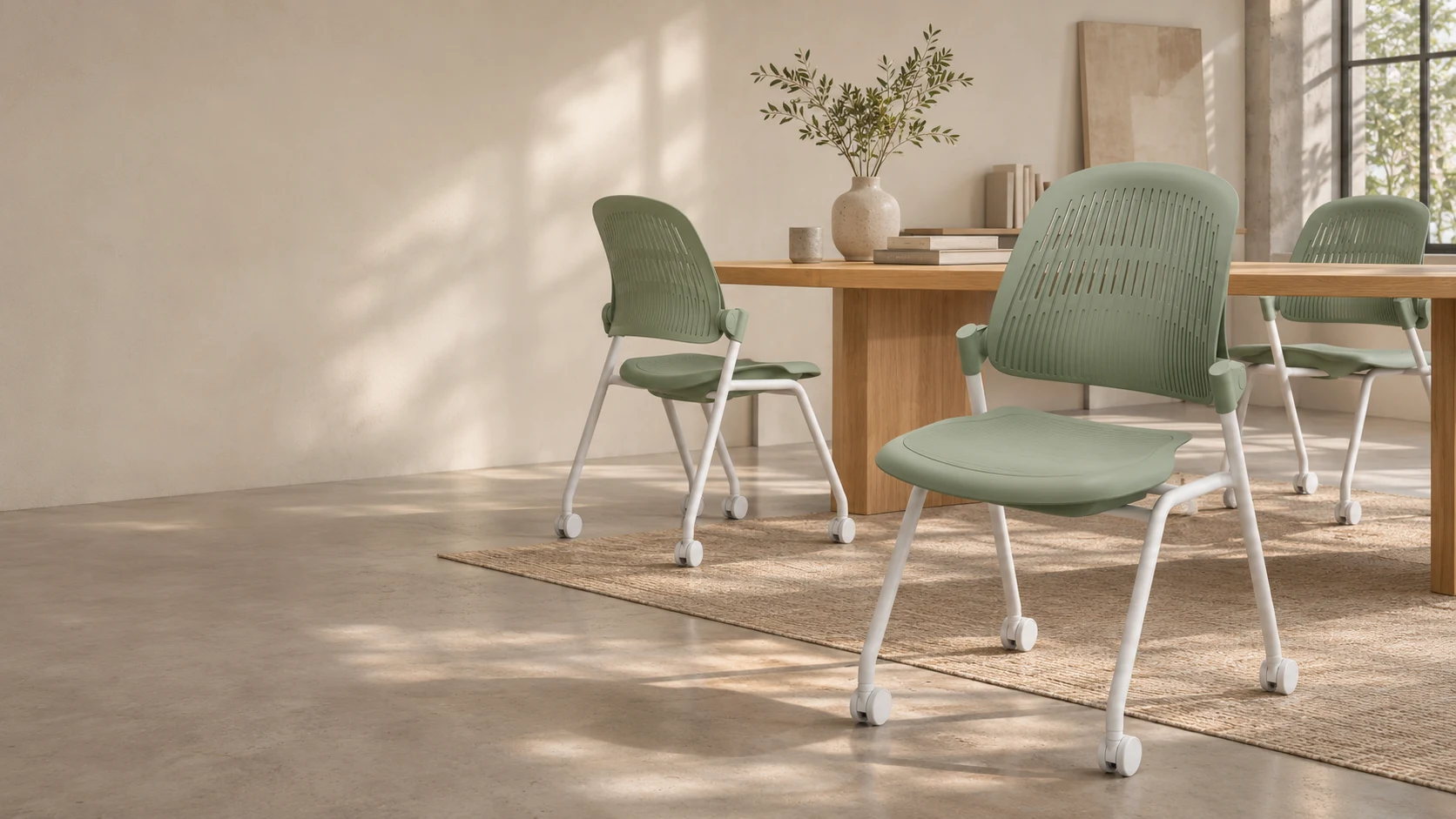
YZ118 has a flip-up seat for side-by-side nesting and a 50 mm PU wheel reference. This makes it a candidate when chairs need to move between meeting and training layouts. Check the complete nested row, access to the store room and the proposed floor surface. Its 465 × 435 mm seat reference describes the seat, not the full chair or a nested row footprint.
What should you check for stacking chairs?
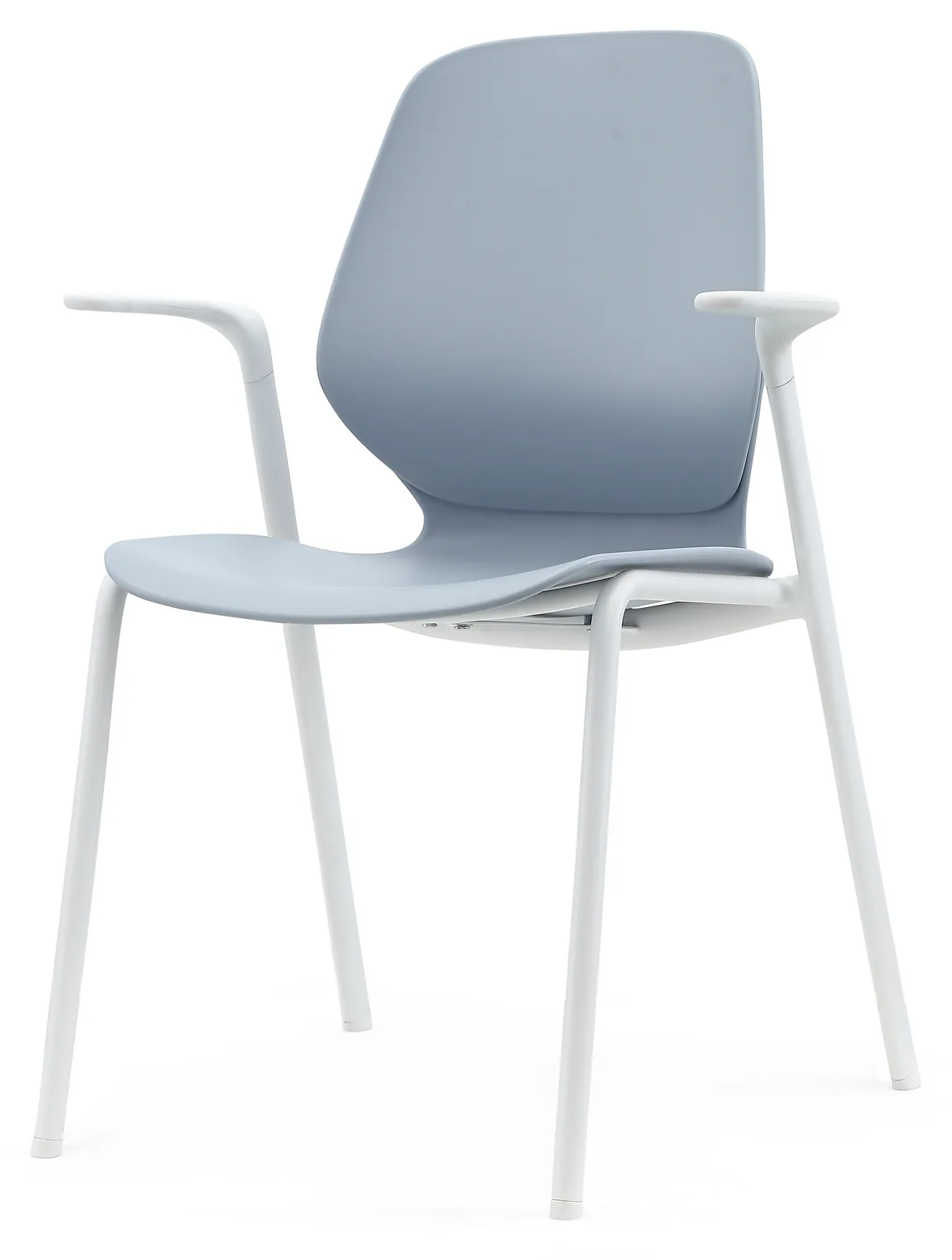
YZ668-1A has a stackable structure, with glides or optional casters to be specified in the configuration. Before planning vertical storage, request the permitted stack arrangement and handling method for that exact base. The word stackable does not establish a safe maximum quantity or storage height. Include who will move the chairs and whether the storage route involves doors, corners or changes in level.
How does folding change the decision?
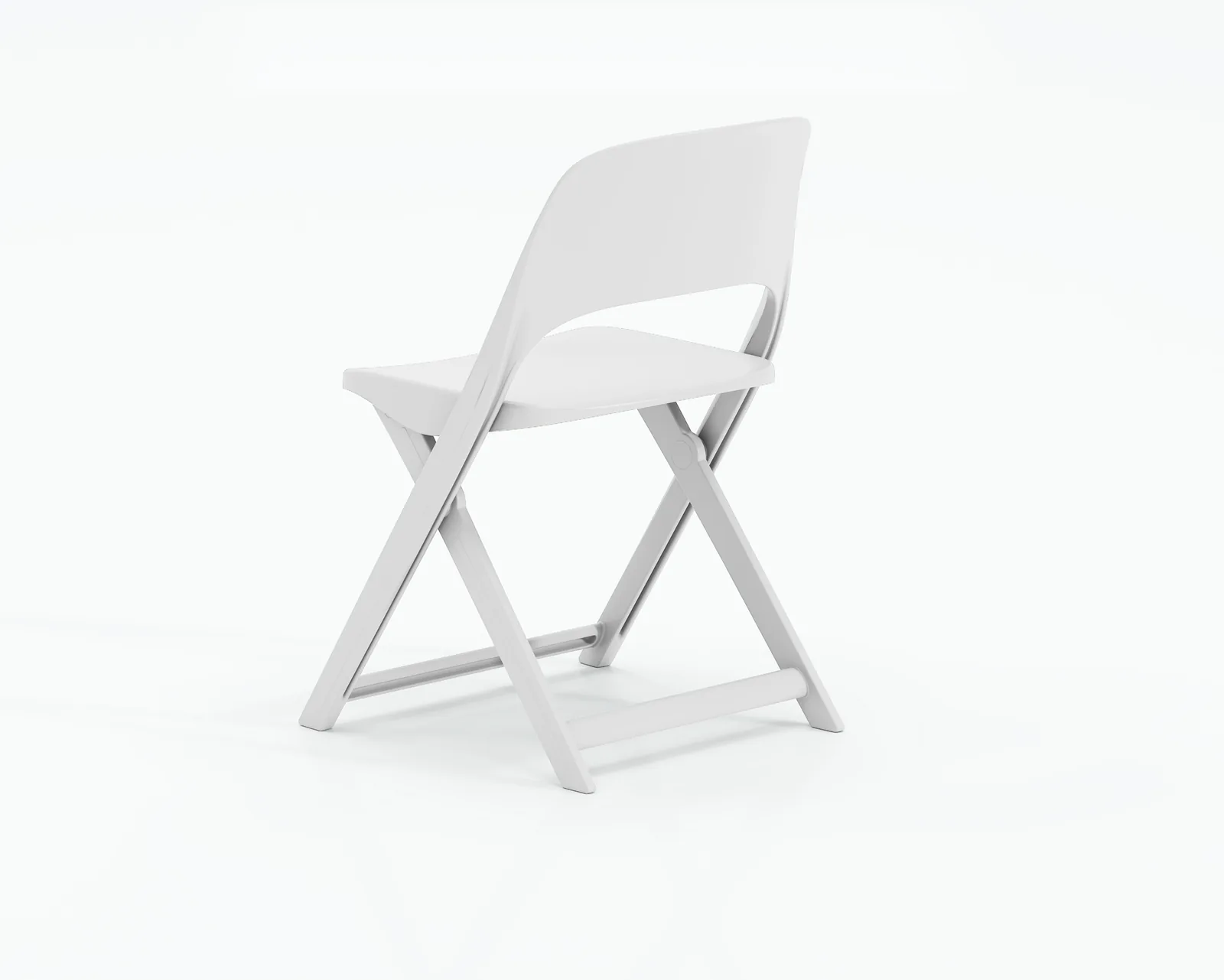
HD58 uses an injection-molded PP folding structure and overlapping storage. Its product data lists a 5 kg per-chair reference, which is relevant to handling but does not define how a group should be moved. Compare the folded arrangement with the available storage space and ask which drawing version applies. Folding dimensions, trolley compatibility and permitted storage quantities should be confirmed for the order.
How can you compare storage fairly?
Compare the same seat count across each proposed storage arrangement. Record the occupied floor area, height, path to storage, handling steps and any required equipment. A storage option that suits a long, narrow area may differ from one suited to a taller store room. Use a sample or an approved layout to check the actual routine; do not derive a storage capacity from a single chair photograph.
What belongs in the purchasing brief?
Specify the model, base, armrests, quantity, floor surface and intended storage method. Ask for the relevant drawing and agree any handling equipment separately. For a training room, also state whether people work at tables or need an individual writing surface. A structure comparison narrows the shortlist; the final configuration still needs to satisfy the activity, room access and order requirements.
Your inquiry checklist
- Chosen storage method and exact base configuration
- Seat count and available storage space
- Route, handling routine and any equipment
- Approved drawing version and sample check