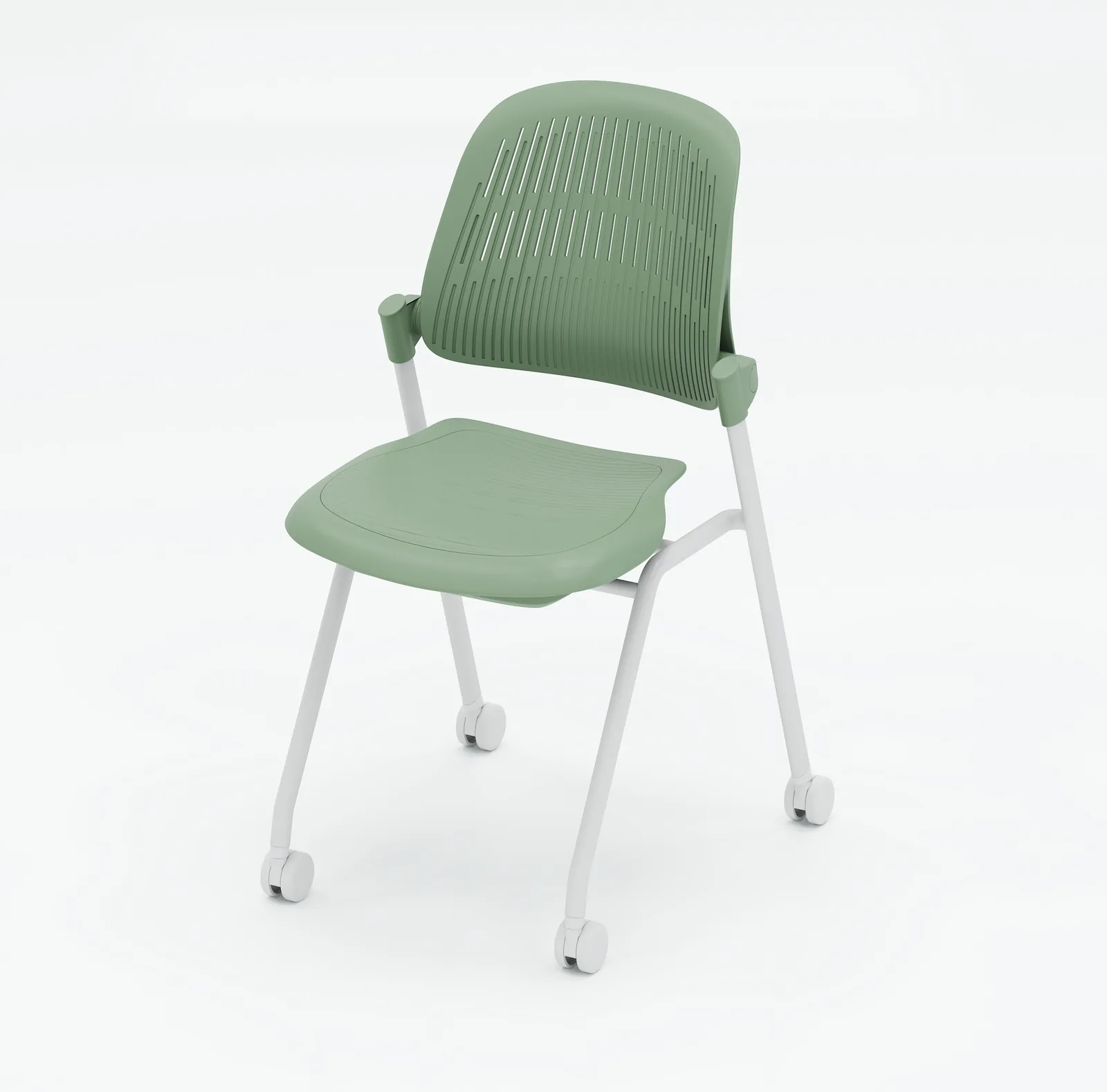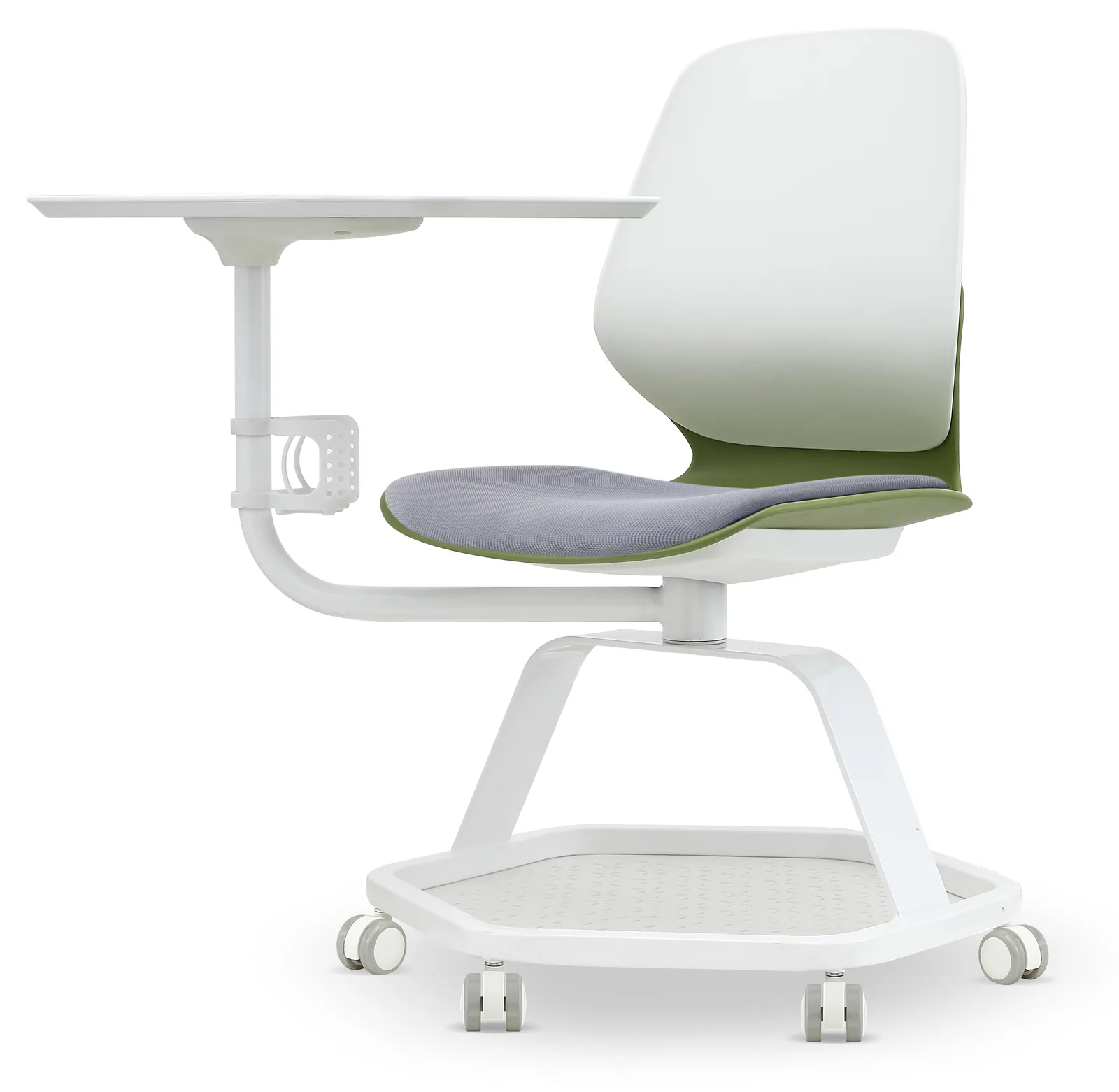
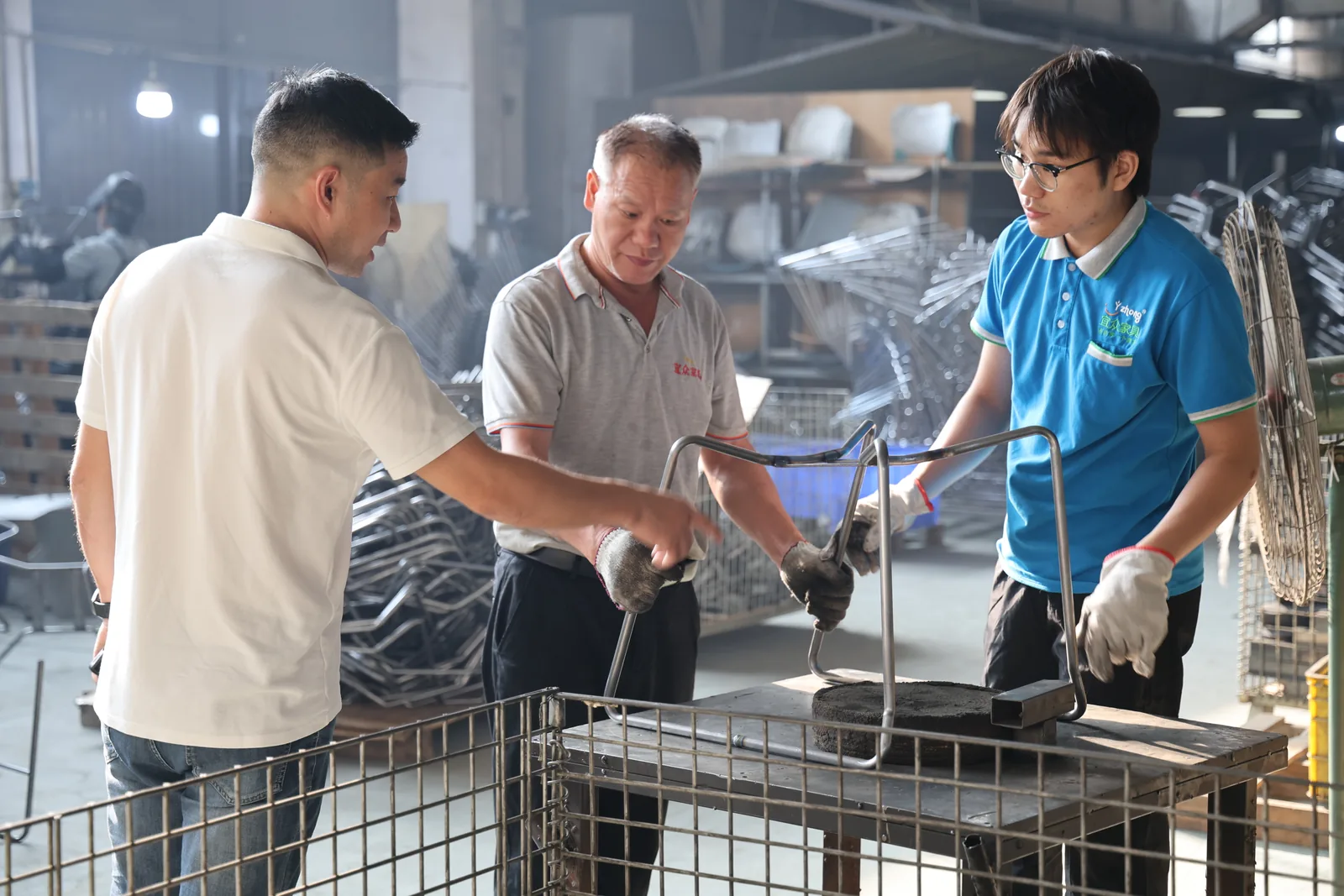
What should the sample represent?
Identify the full model code, base, armrests, writing surface and accessories the sample is meant to represent. State whether it is a standard product, a colour reference or a prototype for a proposed change. These have different approval purposes. For example, a shell colour sample does not approve the complete chair construction, while a standard chair may not show a requested branding method or custom material.
Which documents should be kept beside the sample?
Use the proposed quotation, drawing revision, material and finish references, and the written list of requested changes. Keep any applicable test report reference with the same configuration record. Some models have multiple drawings or version notes, so identify which document is being checked. Mark a conflict between the sample and a document as an open item rather than silently choosing whichever measurement seems more convenient.
How should dimensions be checked?
Record which part each measurement describes: overall footprint, seat, armrest, writing tablet or base. The YZ668-16 tablet reference is 493 × 320 × 18 mm; its 5.4 kg storage assembly reference is not the complete chair weight. Compare measurements with the approved drawing and agreed tolerances where supplied. A seat measurement alone cannot confirm aisle clearance, full storage dimensions or suitability for every room layout.
What should a functional review cover?
Use the sample for the tasks in the purchasing brief. For a tablet chair, review writing access, movement and entry to the seat. For YZ118, examine the flip-up seat and proposed nesting routine; for a folding model, review its folding and handling arrangement. Record the selected floor surface and configuration when discussing mobility. Practical sample observations complement the specification and applicable reports; they do not create a new certified load rating.
How can colours, branding and packing be approved?
Compare finishes with the agreed reference and record the accepted sample or revision. Check logo placement, artwork and the chosen application method separately from the main furniture configuration. If packaging is part of the sample review, identify the included hardware, instructions, carton marks and assembly format. Product photographs are useful for recording a decision, but keep the actual finish reference and written approval details with the order.
What should the approval record contain?
Record the sample identifier, inspection date, specification revision, accepted details and each requested correction. Assign a next action for open items and confirm whether a revised sample, drawing or photograph is needed. Approve the final configuration only after the agreed review steps are complete. Retain the approval record for production and after-sales discussions so the team can distinguish the accepted specification from earlier proposals.
Your inquiry checklist
- Sample purpose, identifier and complete model configuration
- Approved drawing revision and named dimensional checks
- Finish, branding and functional observations
- Open differences, agreed corrections and approval record